


 Language
 English
 русский
 Español
 Português
 Deutsch
 عربى
عربى italiano
 Türk
Türk हिंदी
हिंदी Indonesia
 Tiếng Việt
If you need any help, please feel free to contact us

Aluminum Cable Tray Materials: Alloy Grades, Finishes, and What Affects Performance
Content
An electrical contractor once asked us to help replace a cable tray system on a coastal production line. The original specification simply said “aluminum cable tray,” and the installation had lasted less than two years before corrosion appeared around the joints. The tray sections were aluminum, but the fasteners were mild steel, and the environment did the rest.
The material question is not academic. An aluminum cable tray is not one single material. It is an engineered assembly of aluminum alloy, fasteners, surface protection, and connecting accessories. Each part has a job, and each part needs to match the site environment. If you choose only the tray body and ignore the small components, you are not really choosing an aluminum cable tray system at all.
What Materials Are Used in an Aluminum Cable Tray?
Pure aluminum is too soft for structural cable support. The material used in aluminum cable trays is an aluminum alloy, almost always from the 6000 series, where magnesium and silicon are added to improve strength while keeping weight low. The two grades you will see most often are 6063-T5/T6 and 6061-T6.
6063 is the standard choice for extruded profiles because it produces clean surface finishes and is easy to form into side rails, rungs, covers, and fittings. 6061 offers higher yield strength and is commonly used in welded or fabricated tray types where long spans and heavier cable loads are expected. Within the same alloy, the temper changes the mechanical properties: 6063-T6 is stronger than 6063-T5, so the temper matters just as much as the alloy number.
| Material / Grade | Typical Cable Tray Parts | Why It Is Used |
|---|---|---|
| 6063-T5 | Extruded side rails, light- and medium-duty tray sections | Good surface finish and corrosion resistance; easy to form |
| 6063-T6 | Extruded profiles and covers that need higher mechanical strength than T5 | Higher strength than T5 with similar corrosion performance |
| 6061-T6 | Welded ladder rungs, high-load fabricated trays, long-span assemblies | Higher yield strength and good weldability for structural connections |
| Stainless steel 304/316 | Bolts, nuts, spring clips, and joining hardware | Prevents rust and galvanic corrosion in damp or marine environments |
When a manufacturer quotes an aluminum tray, asking for the specific alloy and temper is the first way to protect your project. The phrase “aluminum construction” on a datasheet tells you almost nothing about load capacity, corrosion behavior, or expected service life.
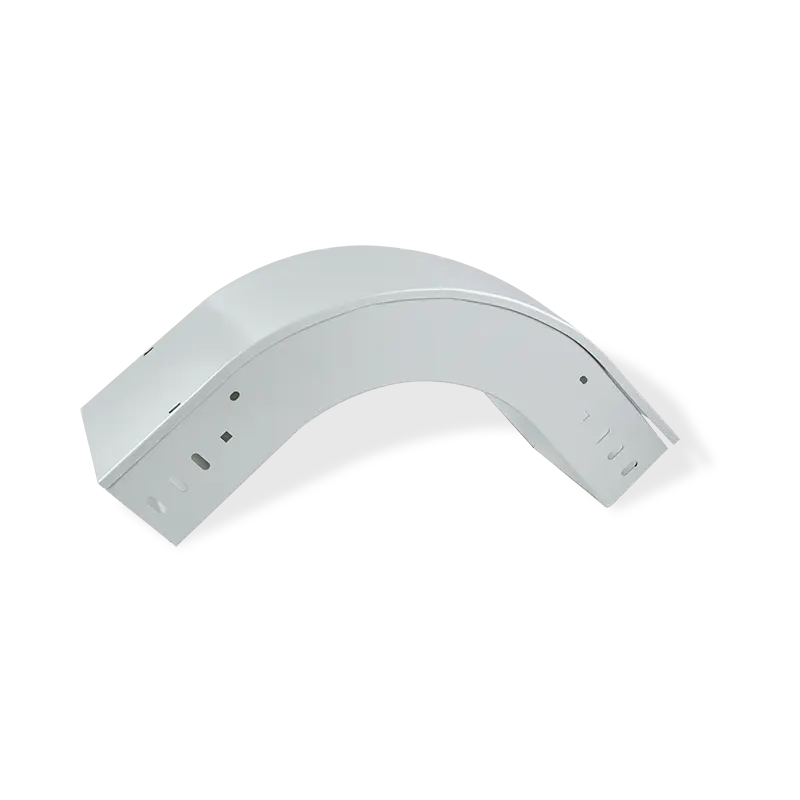
Because a cable run needs bends, tees, reducers, and cover plates, it is safer to source those components from the same alloy family. Our complete aluminum alloy cable tray systems include straight sections and fittings made with a consistent material approach, so field joints and transitions do not become hidden weak points.
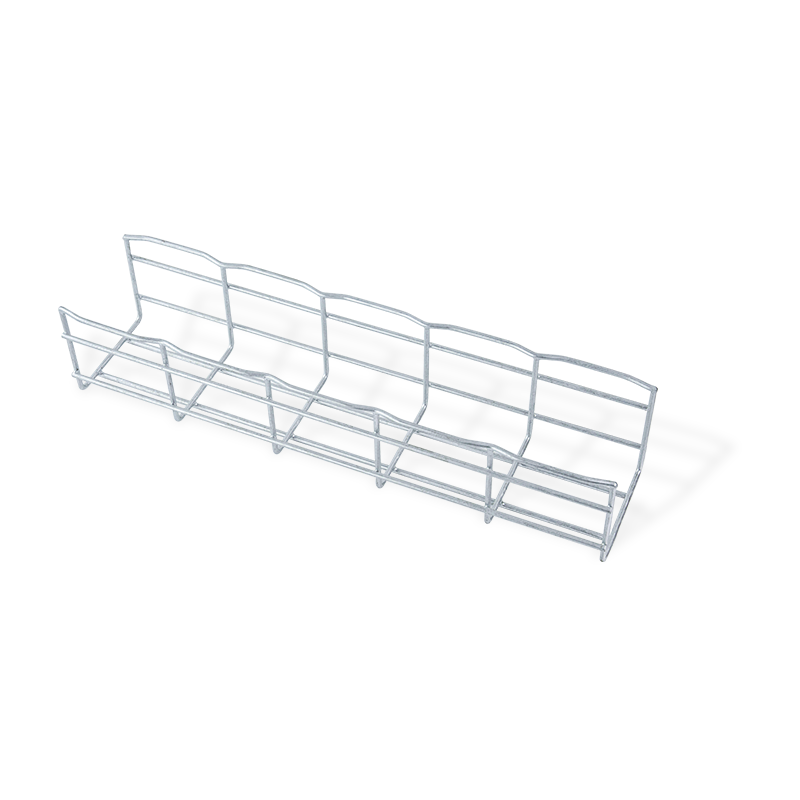 Custom Industrial Aluminum Alloy Cable Tray System ManufacturersJiangsu Youming Group Co., Ltd. is China Custom Industrial Aluminum Alloy Cable Tray System Manufacturers, Company, We Offer OEM/ODM Indu...View Product →
Fasteners, Connectors, and Accessories: The Hidden Materials
The tray body carries the cable, but the system is held together by small components that are often specified in much less detail. These components are usually the first to fail in humid, chemical, or marine environments.
Stainless Steel Fasteners Are the Safe Default
For outdoor, coastal, and washdown areas, 304 stainless steel is the minimum recommendation for fasteners. On offshore platforms or in chloride-heavy atmospheres, 316 stainless steel is preferred. Stainless steel and aluminum sit far apart in the galvanic series, so bimetallic corrosion is possible. The risk can be controlled with isolating washers, by keeping the dissimilar metal contact area small, and by avoiding sealing moisture into the joint.
Fasteners and Coatings to Avoid
Zinc-plated carbon steel fasteners are common in general construction, but on aluminum trays in a damp environment they are a serious risk. Once the zinc coating is scratched, steel rusts quickly and can stain or undermine the aluminum. Copper- and brass-based connectors should also be kept away from aluminum unless a separation layer is engineered into the connection.
Surface Finish: Another Material Decision
Aluminum naturally forms a thin oxide film, which makes bare mill-finish trays acceptable for many dry indoor installations. But in environments with salt, humidity, or chemical vapors, the surface treatment is as important as the alloy.
Mill Finish: Acceptable Indoors Only
Mill finish means no additional coating. It is the most economical option, and because aluminum itself handles oxidation, it works in many controlled building environments. For exposed outdoor sites, bare aluminum is rarely the best choice.
Anodizing
Anodizing thickens the natural oxide layer. An anodized aluminum tray resists corrosion longer than mill finish and keeps its appearance better in coastal or industrial air. However, anodizing is a surface enhancement, not a way to increase structural capacity.
Powder Coating or Plastic Spraying
Powder coating adds a protective barrier and allows color coding for cable management. If the coating is damaged during installation, moisture can enter the gap, so edge quality and touch-up procedures matter. For dry indoor environments, a damaged painted surface can look worse than bare aluminum.
Matching the Material to the Application
Material selection should happen after the load and support span are known, not before. The same aluminum tray can perform very differently on a chemical plant roof and in a dry data center. The important questions are simple: what is the atmosphere, how far apart are the supports, and how much cable access does the maintenance team need?
- Coastal and offshore installations: use 6061-T6 or 6063-T6 with stainless steel fasteners, and avoid sharp crevices where salt-laden moisture can collect.
- Industrial areas with chemical exposure: 6063-T6 with anodized or powder-coated surfaces is a practical combination, with 316 stainless steel hardware for exposed joints.
- Long-span mechanical rooms and power plants: 6061-T6 ladder-type construction reduces deflection and allows heat to escape around the cables.
- Communication and data center cabling: an open aluminum ladder keeps cables visible and simplifies future changes.
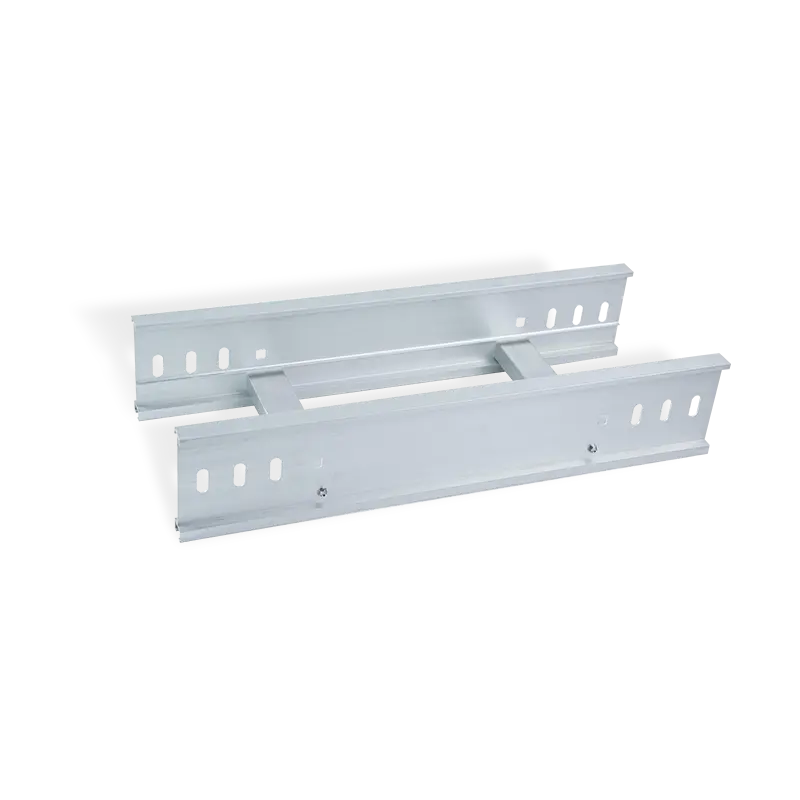
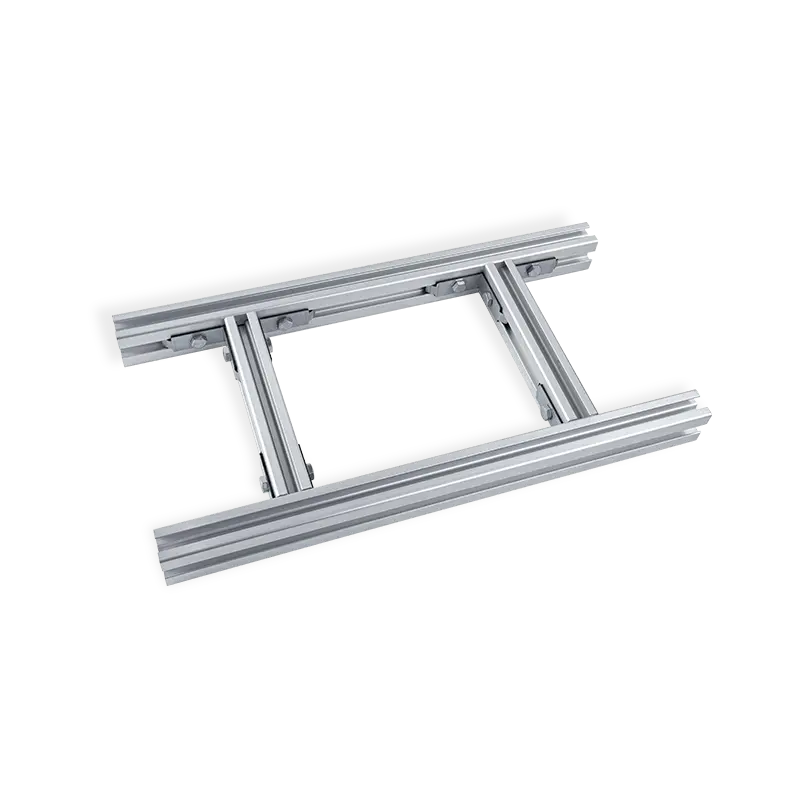
For heavy power cables on long horizontal runs, ladder-type cable tray series are often the most material-efficient choice because they combine structural strength with ventilation. When the priority is fast cable pulling and easy access from above, an open aluminum cable ladder for cable management lets the installer see the cables and adjust supports without removing side rails.
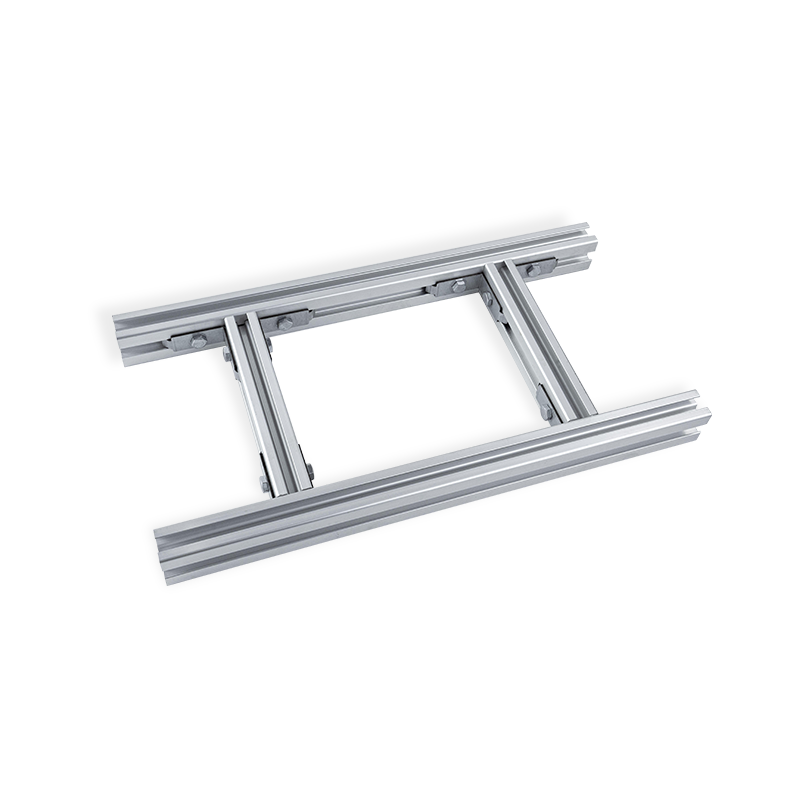 Custom Aluminum cable ladder with open system for cable management Suppliers, FaJiangsu Youming Group Co., Ltd. is China Custom OEM/ODM Aluminum cable ladder with open system for cable management Suppliers and Factory...View Product →
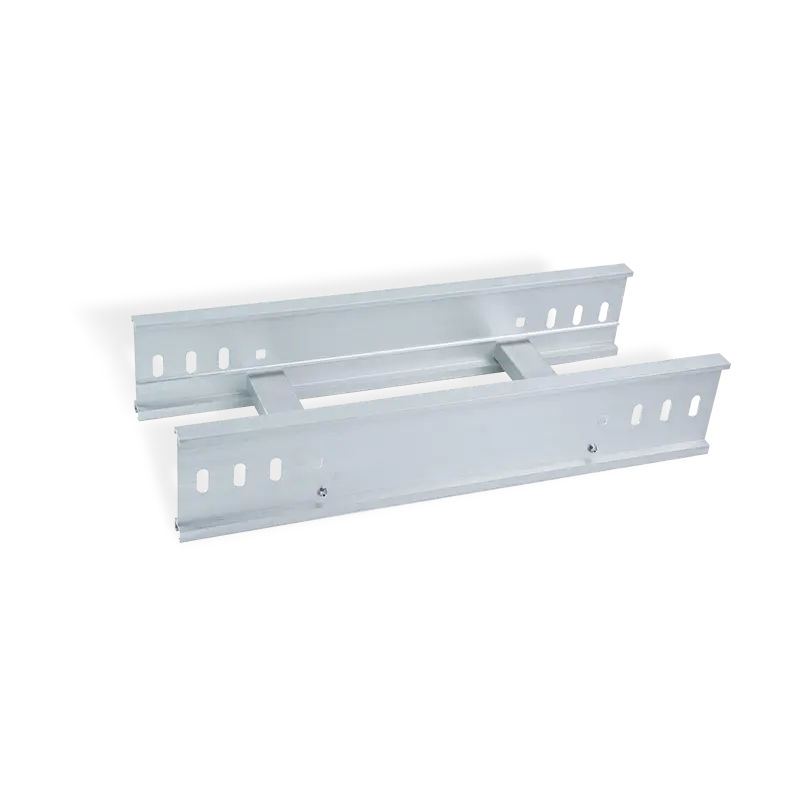 Custom Lightweight Ladder Type Cable Tray Series ManufacturersJiangsu Youming Group Co., Ltd. is China Custom Lightweight Ladder Type Cable Tray Series Manufacturers, Company, We Offer OEM/ODM Lightw...View Product →
How to Avoid a Wrong Material Specification
The word “aluminum” in a tender document is not a specification. Before you order, confirm at least the following details:
- Alloy and temper. Ask for 6063-T5, 6063-T6, 6061-T6, or an equivalent documented grade.
- Tray wall thickness and rung spacing. Material alone does not determine load capacity; the geometry of the section is just as important.
- Fastener material. Confirm whether the hardware is stainless steel 304/316, and whether it is supplied with the tray or by another contractor.
- Surface protection. Ask whether the tray is mill finish, anodized, or powder coated, and what that means for the intended environment.
- Conformance documentation. Request mill certificates, load-test data, and input on the cable tray standard that applies to the project, such as NEMA VE 1 or IEC 61537.
The alloy grade, the temper, the section geometry, the surface protection, and the small hardware all work together. A tray with the right 6061-T6 rails but cheap zinc-plated steel bolts can fail before a simpler 6063-T5 system with stainless hardware. That is why aluminum cable trays should be treated as material systems, not as individual metal sections.
If you are reviewing a specification and need help confirming a material combination, our aluminum alloy cable tray selection guide covers the same decisions in more detail. We also explain how material behavior is affected by real production conditions on our manufacturing lines, because alloy choice only matters if the tray is formed, welded, and finished correctly. For project-specific questions, contact our engineering team before you place the order.
Related Products
Recommended NEWS:
Aluminum Alloy Cable Tray Installation Guide: Step-by-Step Process
What are the Essential Factors to Consider When Selecting the Right Strut Cable Tray Size for Heavy-Duty Power Distribution?
What Are the Key Advantages of Using Galvanized Perforated Cable Trays in Electrical Installations?
Trough Type Anti-Slip Cable Tray: The Ultimate Guide to Safety and Performance
How to Choose the Right Aluminum Alloy Cable Tray for Your Electrical Systems
Recommended LINS:

Youming Group is a manufacturing group company mainly engaged in the research and development of new high-strength cable tray
Product
- Wire Type Cable Tray Series
- Punched Type Cable Tray Series
- Trough Type Cable Tray Series
- Cable Rack Ladder Series
- Ladder Type Cable Tray Series
- Marine Cable Ladder Tray
- Strut Channel Cable Tray Series
- Accessories
- Fiber Cable Tray/Optic Cable Tray
- Photovoltaic Stents
- Stainless Steel Cable Tray Series
- Aluminum Alloy Cable Tray System
Contact information
-
No.36, Taidong Industrial Zone Shiyan Town, Dongtai City, Jiangsu Province
