


 Language
 English
 русский
 Español
 Português
 Deutsch
 عربى
عربى italiano
 Türk
Türk हिंदी
हिंदी Indonesia
 Tiếng Việt
If you need any help, please feel free to contact us

Aluminum Cable Tray vs Steel Cable Tray: Key Differences Explained
Content
Specifying the wrong cable tray material shows up years later as corrosion, sagging supports, or an installation crew fighting excess weight overhead. An aluminum cable tray and a steel cable tray both route and protect cabling, but they solve different problems, and picking between them comes down to load, environment, and how the project weighs installation speed against raw strength.
What Sets Aluminum and Steel Cable Trays Apart
An aluminum cable tray is built from aluminum alloy, valued for its light weight, natural oxide layer, and strong thermal conductivity. A steel cable tray, made from carbon or galvanized steel, trades some of that weight advantage for higher absolute strength and rigidity. Both organize power, control, and communication cables, but the material decision changes everything downstream, from crew size to maintenance schedule.
- Aluminum forms a natural oxide layer that resists corrosion without added coatings
- Steel offers higher tensile strength for heavy industrial cable loads
- Aluminum's thermal conductivity helps dissipate heat and reduce cable temperature buildup
- Steel typically needs galvanizing, powder coating, or anti-corrosion treatment outdoors
Weight and Load Capacity by the Numbers
Weight and load capacity move in opposite directions across the two materials. Aluminum stays light enough for one or two installers to carry and position by hand, while steel carries more absolute load before it needs additional support spacing.
Relative Weight vs Load Capacity Index (0-10)
Weight
Load Capacity
Aluminum Steel
Corrosion Resistance Over a 10-Year Service Life
Aluminum's oxide layer keeps performance nearly flat over a decade of outdoor exposure. Steel starts strong right after galvanizing or coating, but that protection wears down under moisture, chemicals, and salt exposure, pushing maintenance costs higher the longer the tray stays in service.
Illustrative Corrosion Resistance Rating, Year 0 to Year 10
Aluminum, uncoated Steel, coated
Full Feature Comparison
| Weight | Lightweight | Heavy |
| Corrosion Resistance | Excellent | Depends on coating |
| Heat Dissipation | Excellent | Moderate |
| Installation | Easier and faster | More labor intensive |
| Maintenance | Low | Higher in corrosive settings |
| Load Capacity | Medium to high | High |
Columns left to right: Aluminum Cable Tray, Steel Cable Tray
When to Choose Aluminum vs Steel
Choose Aluminum Solar and renewable energy sites, coastal and marine installations, and commercial buildings where installation speed and corrosion resistance outweigh raw load capacity.
Choose Steel Manufacturing plants, power stations, and large infrastructure projects where maximum mechanical strength and heavy cable loads are the priority.
Cost and Long-Term Maintenance
Steel often costs less upfront; aluminum often costs less over a service life once transportation, installation labor, and recoating are added in. Compare lifecycle cost, not just the purchase price.
A complete cost comparison weighs material price against installation labor, transportation, and the maintenance a corrosive environment will demand. Aluminum cable tray systems tend to shift cost toward the purchase and away from upkeep, while steel systems can start cheaper and add cost gradually through recoating and structural checks.
Frequently Asked Questions
Is aluminum cable tray strong enough for industrial use?
Yes, for medium to heavy loads. Aluminum offers a strong strength-to-weight ratio suitable for most commercial and industrial runs, though extremely heavy cable systems may still favor steel.
Does aluminum cable tray need corrosion coating?
Generally no. Aluminum forms its own protective oxide layer, so it requires less surface protection than steel in humid or outdoor environments.
Why is steel cable tray heavier to install?
Steel's density gives it higher structural strength but adds weight, which increases transportation effort and often requires additional support spacing during installation.
Which material lasts longer outdoors?
Aluminum typically performs better outdoors and in coastal areas because its corrosion resistance holds up without ongoing recoating, while steel depends on how well its protective coating is maintained.
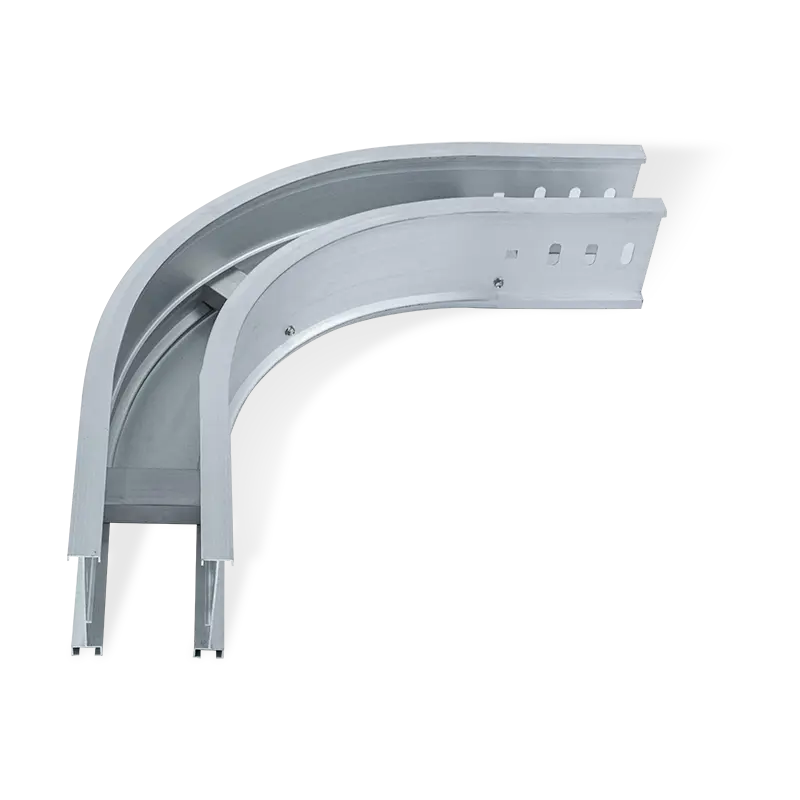 |
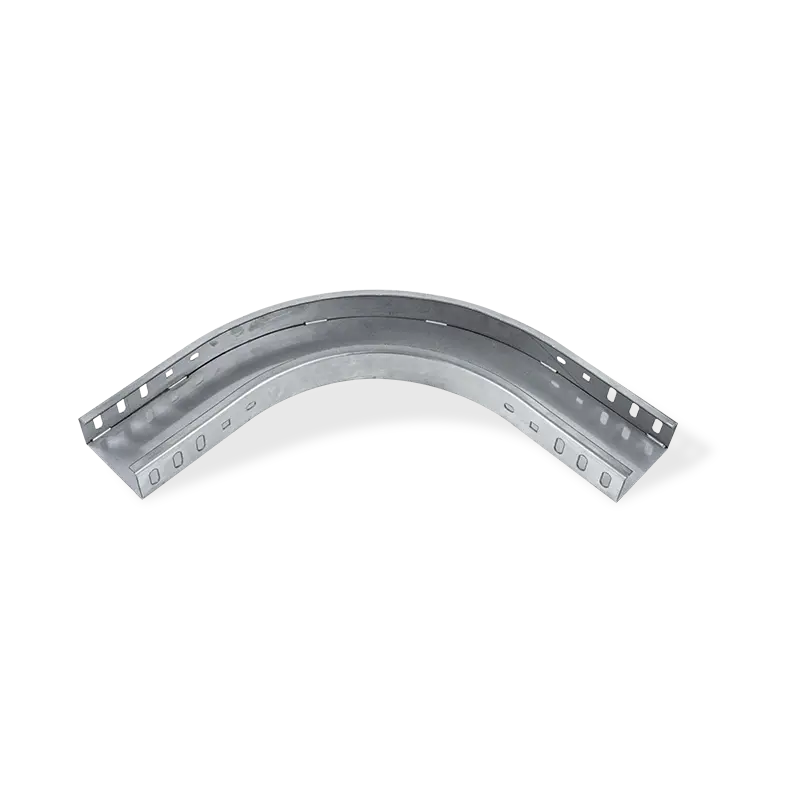 |
Related Products
Recommended NEWS:
Aluminum Alloy Cable Tray Installation Guide: Step-by-Step Process
Cable Tray Installation Tips: Steps to Ensure Safety and Efficiency
Cable Tray Coating Selection Guide 2024 | Corrosion Resistance & Cost Comparison
How to Choose the Right Aluminum Alloy Cable Tray for Your Electrical Systems
Punched Perforated Cable Tray vs. Other Cable Management: Core Advantages in Load Capacity, Heat Dissipation, and Installation Efficiency
Recommended LINS:

Youming Group is a manufacturing group company mainly engaged in the research and development of new high-strength cable tray
Product
- Wire Type Cable Tray Series
- Punched Type Cable Tray Series
- Trough Type Cable Tray Series
- Cable Rack Ladder Series
- Ladder Type Cable Tray Series
- Marine Cable Ladder Tray
- Strut Channel Cable Tray Series
- Accessories
- Fiber Cable Tray/Optic Cable Tray
- Photovoltaic Stents
- Stainless Steel Cable Tray Series
- Aluminum Alloy Cable Tray System
Contact information
-
No.36, Taidong Industrial Zone Shiyan Town, Dongtai City, Jiangsu Province
