


 Language
 English
 русский
 Español
 Português
 Deutsch
 عربى
عربى italiano
 Türk
Türk हिंदी
हिंदी Indonesia
 Tiếng Việt
If you need any help, please feel free to contact us

How to Choose the Right Aluminum Cable Tray for Different Electrical Projects
Content
Undersize the tray and cables overheat; oversize it and the budget takes the hit. Picking the right aluminum cable tray comes down to matching load capacity, ventilation, and corrosion resistance to the specific demands of the installation environment.
What an Aluminum Cable Tray Does
An aluminum cable tray is a structural support system that routes and protects power, control, and communication cables through industrial, commercial, and infrastructure projects. Beyond simply holding cables in place, a properly sized tray manages heat buildup, keeps future expansion accessible, and prevents the mechanical stress that shortens cable life.
-40%Weight vs equivalent steel tray
4Tray types for different cable loads
NaturalCorrosion resistance, no coating required
The Four Main Tray Types
Tray structure determines ventilation, protection level, and how much cable weight it can carry — matching the type to the job avoids both under- and over-building the system.
Ladder Tray
Open structure with excellent ventilation and high load capacity — the standard for power plants and large industrial cable runs.
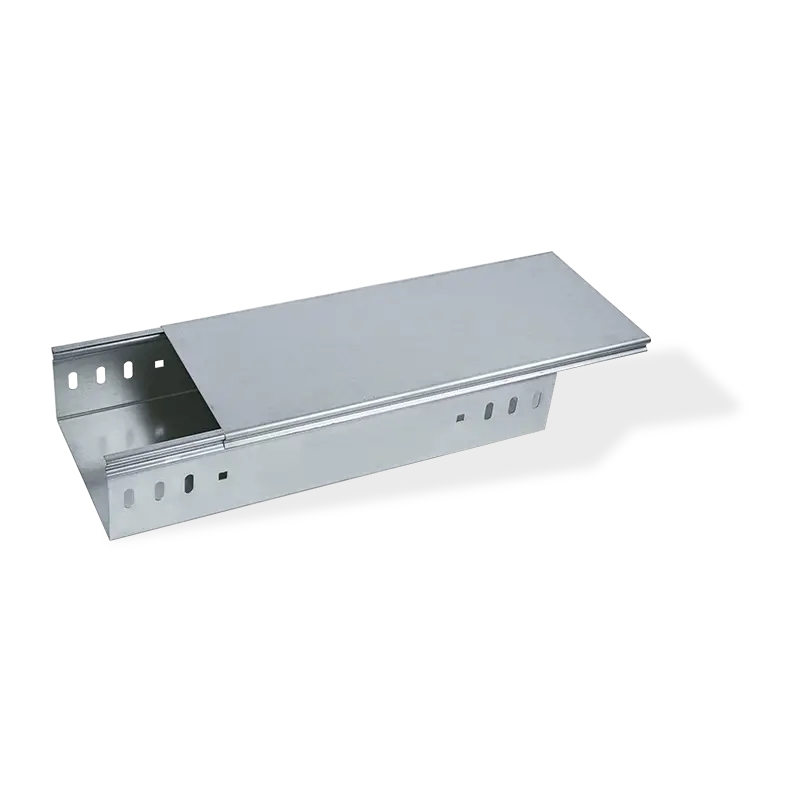
Perforated Tray
Flat surface with ventilation holes, balancing airflow and cable protection for commercial buildings and control systems.
Solid Bottom Tray
Fully enclosed support surface for sensitive cable systems that need added physical protection.
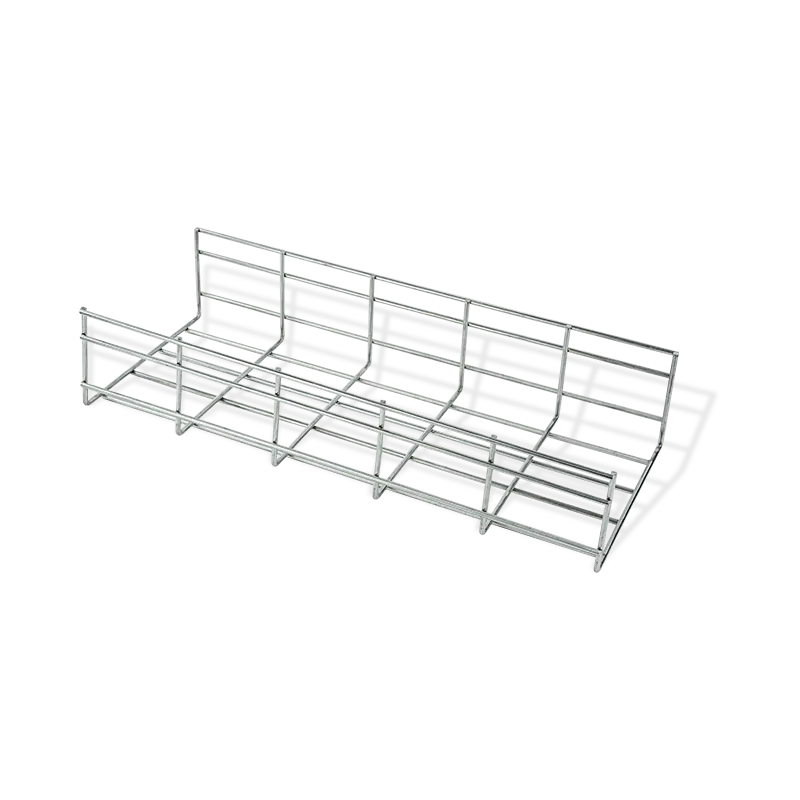
Wire Mesh Tray
Flexible, lightweight structure suited to communication cables and smaller networks.
Six Factors That Determine the Right Tray
| Factor | What to Evaluate |
| Cable type & quantity | Diameter, weight, and future expansion needs |
| Load capacity | Cable weight per meter, support spacing |
| Installation environment | Indoor, outdoor, or harsh industrial exposure |
| Tray size | Width, height, and room for ventilation |
| Thermal performance | Airflow needs for high-power cable systems |
| Maintenance access | Ease of inspection and future cable additions |
Aluminum vs Steel and Stainless Steel
Aluminum
- Lightweight, easy to install
- Excellent natural corrosion resistance
- Strong heat dissipation
- High strength-to-weight ratio
Steel / Stainless Steel
- Heavier, more labor-intensive install
- Corrosion resistance depends on coating
- Moderate heat dissipation
- Very high raw strength
Matching Trays to Project Type
- Industrial power plants — heavy-duty ladder trays for large capacity and long cable runs
- Commercial buildings — perforated trays for clean, organized, low-maintenance routing
- Data centers — wire mesh trays for flexible, easy-to-modify layouts
- Solar and coastal projects — outdoor aluminum trays for weather and salt-air resistance
Undersized load capacity is the most common tray selection mistake, and it's also the one most likely to cause structural deformation and safety risk. Calculate cable weight before choosing a size, not after.
Frequently Asked Questions
Why choose aluminum cable tray over steel?
Aluminum offers a better strength-to-weight ratio, natural corrosion resistance without coating, and easier installation, making it the preferred choice for most outdoor and industrial projects.
Which tray type works best for high-power cable systems?
Ladder trays are generally preferred for high-power systems because their open structure provides the best heat dissipation and airflow.
Is aluminum cable tray suitable for coastal or marine environments?
Yes. Aluminum's natural resistance to moisture and corrosion makes it well suited to marine and coastal installations where steel would require heavy protective coating.
How do I avoid overcrowding a cable tray?
Size the tray with enough spare width and height for ventilation and future cable additions, not just the current cable count.
From power plants to data centers, choosing the right aluminum cable tray comes down to matching load capacity, ventilation, and environmental resistance to the specific demands of each electrical project.
 |
 |
Related Products
Recommended NEWS:
How to Choose the Right Aluminum Alloy Cable Tray for Your Electrical Systems
How to Choose the Right Cable Tray for Industrial Plants
How to Choose Correctly? A Comparison and Selection Guide for Ladder Type vs. Trough Type Cable Trays
The Critical Guide to Corrosion Resistance: Selecting the Right Ladder Rack Cable Tray for Specific Environments
How does the Fiber Cable Tray End Cup protect the cable system from external interference?
Recommended LINS:

Youming Group is a manufacturing group company mainly engaged in the research and development of new high-strength cable tray
Product
- Wire Type Cable Tray Series
- Punched Type Cable Tray Series
- Trough Type Cable Tray Series
- Cable Rack Ladder Series
- Ladder Type Cable Tray Series
- Marine Cable Ladder Tray
- Strut Channel Cable Tray Series
- Accessories
- Fiber Cable Tray/Optic Cable Tray
- Photovoltaic Stents
- Stainless Steel Cable Tray Series
- Aluminum Alloy Cable Tray System
Contact information
-
No.36, Taidong Industrial Zone Shiyan Town, Dongtai City, Jiangsu Province
